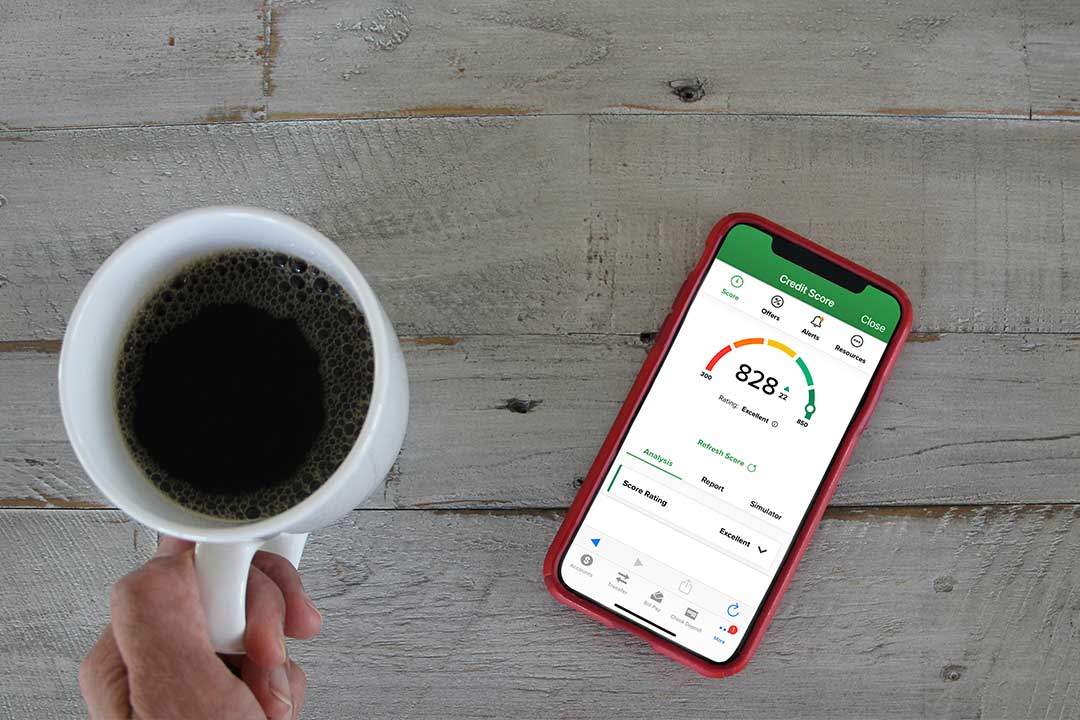
If the idea of purchasing a house has crossed your mind, it is important to understand that your credit score plays a crucial role in determining if you are eligible for a home loan. Lenders carefully examine your credit history to evaluate your capacity to make timely payments and repay debts, among other things. Moreover, your credit score also influences the interest rate on your mortgage. According to an article on Bankrate, this is why it is imperative to be aware of your credit score before embarking on the home buying process.
"Your credit score is one of the most important factors lenders consider when you apply for a mortgage. Not just to qualify for the loan itself, but for the conditions: Typically, the higher your score, the lower the interest rates and better terms you’ll qualify for."
Given the current importance of mortgage rates in determining affordability, your credit score is likely to play a significant role in your homebuying plans. The Federal Reserve Bank of New York reports that the median credit score for individuals obtaining a mortgage in the U.S. is 765. However, it is not necessary for your credit score to be flawless. An article by Business Insider provides insights into how various ranges of FICO scores can affect your borrowing potential.
". . . you don't need a perfect credit score to buy a house. . . . Aiming to get your credit score in the ‘Good’ range (670 to 739) would be a great start towards qualifying for a mortgage. But if you're wanting to qualify for the lowest rates, try to get your score within the ‘Very Good’ range (740 to 799)."
The most effective way to obtain further details about how your credit score may impact your home loan and the interest rate you can secure is by collaborating with a reputable lender. As stated by FICO :
"While many lenders use credit scores like FICO Scores to help them make lending decisions, each lender has its own strategy, including the level of risk it finds acceptable. There is no single "cutoff score" used by all lenders and there are many additional factors that lenders may use to determine your actual interest rates."
If you are seeking ways to enhance your credit score, Experian suggests some areas that you may wish to concentrate on:
- 1. Your Payment History: Late payments can have an adverse effect by causing your score to drop. Make it a priority to pay your bills on time and settle any outstanding late fees without delay.
- 2. Your Debt Amount (in relation to your credit limits): It is better to utilize as little of your available credit as possible. Aim to keep this figure as low as you can.
- 3. Credit Applications: Avoid applying for additional credit if you intend to make a purchase. Applying for new credit could result in a hard inquiry on your credit report, which may lower your score. Once you are ready to embark on the homebuying process, a lender will be able to evaluate where your score falls within the range and provide more details about each type of loan.
Bottom Line
In the face of current affordability challenges, it would be beneficial for you to prioritize actions that can improve your credit score and potentially secure a more favorable mortgage rate.
Let's connect if you're ready to find your dream home or have additional questions.
Buying or Selling. Let Us Guide You Home.
:format(webp):quality(80)/u.realgeeks.media/saraentner/banner_Black-Mountain-Valley-Event-Calendar.jpg)
:format(webp):quality(80)/u.realgeeks.media/saraentner/Find-Us-On-Print_update_Oct2023.jpg)